



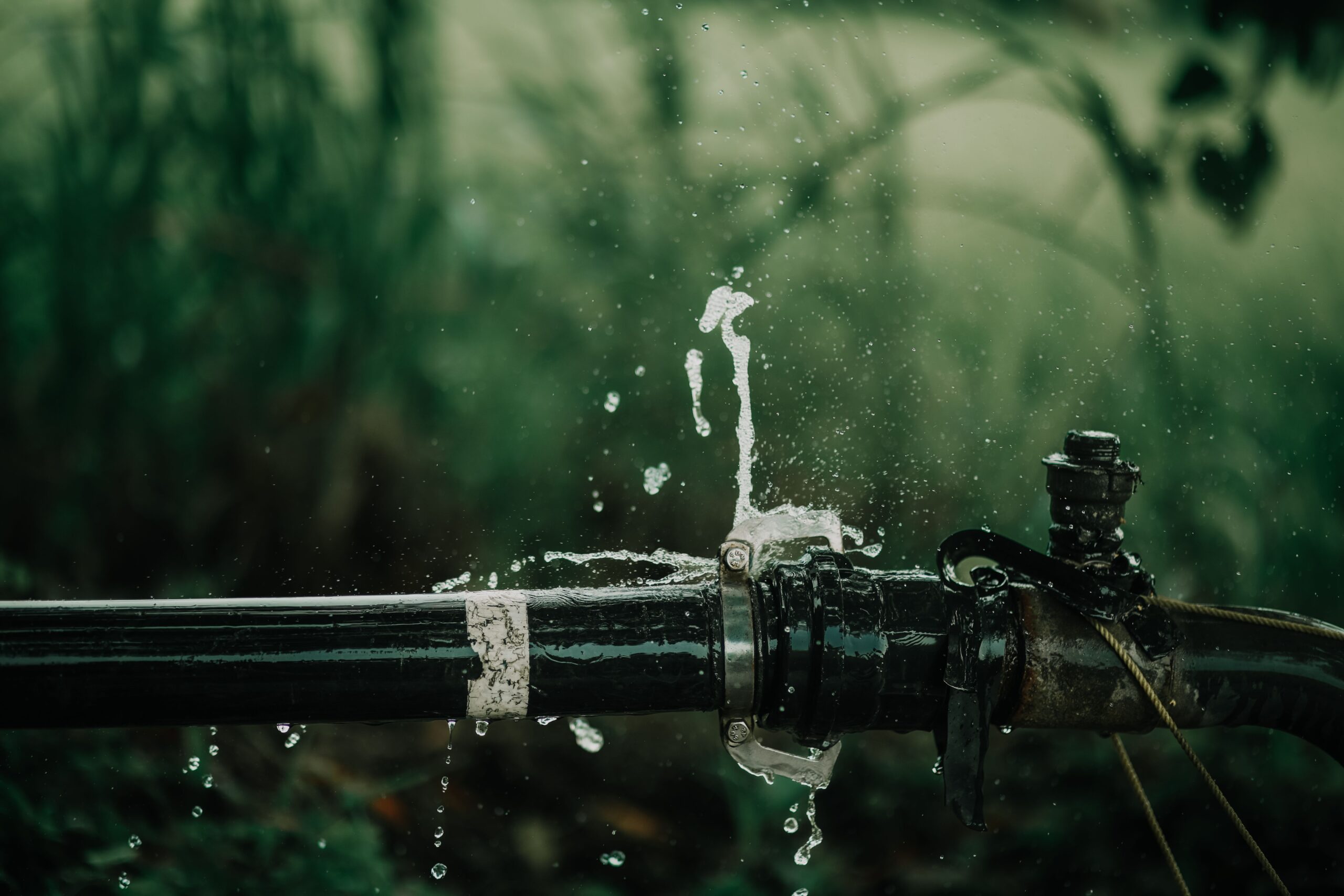
Winter weather brings freezing temperatures that can quietly wreak havoc on your home’s plumbing network. Frozen pipes are among the most common and costly household issues during cold weather spells, often leading to severe structural damage if left unaddressed. Understanding how to handle frozen plumbing lines quickly and safely can save you thousands of dollars in emergency repairs and protect your property all season long.
Understanding the Threat of Freezing Temperatures
Winter brings cozy nights and snowy views, but it also creates severe risks for household plumbing systems. When cold air settles into uninsulated spaces, water sitting inside exposed pipes can freeze rapidly. As water turns to ice, it expands inside the rigid metal or plastic structure, building extreme pressure that can cause severe structural fractures.
Many homeowners do not realize a pipe has ruptured until the ice begins to thaw and water pours into the property. Unchecked leaks cause extensive structural damage and ruin personal belongings. Left unaddressed, trapped moisture quickly fosters mold growth inside walls. Taking simple preventative measures before freezing temperatures hit saves thousands of dollars in unexpected property repairs. Routine checks on exposed pipes in basements and crawlspaces during winter help catch small leaks before they spiral out of control.
Identifying early Warning Signs of Frozen Lines
Recognizing the subtle warning signs of freezing lines allows homeowners to act before a complete rupture occurs. The most obvious indicator is a sudden drop in water pressure when turning on a faucet during a cold snap. A completely frozen line will produce only a trickle or no water at all.
Strange clunking sounds or unusual odors coming from drains can also signal an ice blockage further down the plumbing stack. Frost forming on visible pipes in basements or attics is another clear sign that temperatures have dropped too low. Catching these early warnings gives residents a chance to start thawing procedures before pipes split under pressure.
Taking Action When Pipes Start to Freeze
Finding a frozen pipe requires quick and controlled action to prevent a total blowout. Shutting off the main water supply valve should always be the very first step to limit potential flooding. Opening affected faucets helps relieve the intense internal pressure that accumulates behind the ice blockage.
Applying gentle warmth to the frozen area using a hairdryer or heating pad usually restores proper water movement. Homeowners must avoid using open flames like blowtorches, as rapid heating creates thermal shock and increases fire hazards.
If an ice blockage sits deep inside a wall, contacting an emergency plumbing team ensures the line is safely thawed with professional equipment. Trained technicians use specialized thermal detection tools to pin-point the hidden freeze without tearing into surrounding drywall. This targeted approach prevents widespread structural damage and gets water flowing safely through your pipes again.
Preventing Future Pipe Freezing Incidents
Long term protection against winter plumbing issues involves keeping vulnerable areas warm throughout the coldest months. Adding foam insulation sleeves to exposed pipes in unheated crawlspaces or garages creates a vital thermal barrier. Sealing drafts around exterior walls and window frames prevents frigid air from striking sensitive plumbing lines. Simple updates like these safeguard your plumbing setup against sudden, severe seasonal temperature drops.
During extreme cold spells, keeping cabinet doors open allows warm room air to circulate around sink plumbing. Letting faucets drip at a slow, steady rate keeps water moving, making it significantly harder for ice to form inside the line. Keeping thermostat temperatures consistent day and night also safeguards the home against sudden temperature drops.
Knowing When Professional Support Is Required
While minor surface ice can sometimes be resolved with household tools, severe blockages require trained expertise. Burst pipes demand immediate intervention to minimize structural ruin and stop active flooding. Specialized technicians utilize advanced thermal imaging and heavy duty equipment to locate hidden leaks without tearing down entire walls.
Attempting complex repairs without proper training often leads to bigger structural issues and higher repair costs later. Licensed professionals possess the exact knowledge required to restore water flow safely and reinforce vulnerable systems. Establishing a relationship with a reliable technician ensures fast support during unexpected cold weather disasters. Having a trusted expert on call provides invaluable peace of mind when sudden winter freezes threaten your home’s infrastructure.
Conclusion
Winter weather presents unique challenges for household plumbing, but staying proactive reduces the risk of catastrophic pipe failures. Recognizing early warning signs and knowing how to thaw lines safely keeps minor ice blockages from turning into massive flooding events. Simple seasonal habits, like insulating exposed lines and maintaining steady indoor heat, protect the structural integrity of your home all winter long. Taking action early gives homeowners complete peace of mind, ensuring their plumbing remains fully functional no matter how low the temperature drops outside.