



If you’ve been diagnosed with a hernia, it’s natural to feel uncertain about the next steps. Understanding your treatment options, especially surgery, can make the process far less intimidating. This guide on Hernia Repair Auckland: What You Need to Know Before Surgery will walk you through the essentials, from what a hernia is to what you should expect before and after the procedure.
What Is a Hernia?
A hernia occurs when an internal organ or tissue pushes through a weak spot in the surrounding muscle or connective tissue. It commonly appears in the abdomen or groin area and may look like a visible bulge under the skin.
There are several types of hernias, including:
- Inguinal hernia (groin)
- Umbilical hernia (belly button area)
- Hiatal hernia (upper stomach/diaphragm)
- Incisional hernia (occurs after previous surgery)
While some hernias are painless at first, they can become uncomfortable or even dangerous if left untreated.
Why Hernia Repair Surgery Is Often Recommended
Non-surgical management may temporarily relieve symptoms, but it does not fix the underlying weakness in the muscle wall. Over time, hernias tend to enlarge or become more painful.
Surgery is typically recommended when:
- The hernia is growing in size
- You experience pain or discomfort
- There is a risk of complications such as strangulation (loss of blood supply to the tissue)
This is why understanding Hernia Repair Auckland: What You Need to Know Before Surgery is important for anyone preparing for treatment in the region.
Hernia Repair Auckland: What You Need to Know Before Surgery
Before undergoing hernia surgery, patients in Auckland are usually guided through a detailed consultation process. This ensures the right surgical approach is chosen based on the type, size, and location of the hernia.
Common Surgical Options
There are two main types of hernia repair procedures:
- Open Hernia Repair
A single incision is made near the hernia site, and the surgeon pushes the protruding tissue back into place. The weakened area is then reinforced, often with surgical mesh. - Laparoscopic (Keyhole) Surgery
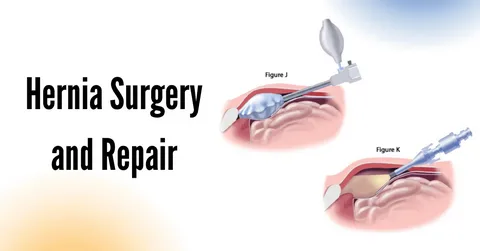
This minimally invasive technique uses several small incisions and a camera to guide the repair. It often results in less postoperative pain and a faster recovery.
Understanding these options is a key part of Hernia Repair Auckland: What You Need to Know Before Surgery, as your surgeon will recommend the best method for your specific case.
Preparing for Hernia Surgery
Preparation plays a big role in ensuring a smooth surgical experience. Before your operation, your healthcare team will typically advise you to:
- Undergo pre-operative tests (blood work, imaging, etc.)
- Stop certain medications such as blood thinners (if advised)
- Avoid eating or drinking for a set period before surgery
- Arrange transportation home after the procedure
You may also be given instructions on smoking cessation or lifestyle adjustments to improve healing outcomes.
What Happens During the Procedure?
Hernia repair surgery is usually performed under general or local anesthesia, depending on the complexity of the case.
During the procedure:
- The surgeon accesses the hernia through an incision or laparoscopic ports
- The protruding tissue is gently repositioned
- The muscle wall is strengthened using sutures and/or mesh
- The incision is closed and dressed
Most surgeries take between 30 minutes to 2 hours, depending on the type of hernia.
Recovery After Hernia Surgery
Recovery time varies from person to person, but many patients can return to light activities within a few days after laparoscopic surgery, or a couple of weeks after open surgery.
Common post-surgery expectations include:
- Mild pain or discomfort around the incision site
- Temporary swelling or bruising
- Gradual return to normal physical activity
- Avoidance of heavy lifting for several weeks
Following your surgeon’s aftercare instructions is essential to prevent recurrence.
Possible Risks and Complications
Although hernia repair is generally safe, all surgeries carry some risks. These may include:
- Infection at the surgical site
- Recurrence of the hernia
- Bleeding or bruising
- Temporary nerve pain or numbness
Discussing these risks with your surgeon is an important part of preparing for Hernia Repair Auckland: What You Need to Know Before Surgery, so you can make an informed decision.
Lifestyle Tips for Better Recovery
After surgery, small lifestyle changes can significantly improve healing and reduce the risk of recurrence:
- Maintain a healthy body weight
- Eat a high-fiber diet to avoid constipation
- Avoid smoking, which can slow healing
- Gradually reintroduce exercise as advised
- Use proper lifting techniques once cleared
These habits support long-term recovery and overall abdominal strength.
When to Seek Medical Attention
After surgery, contact your doctor immediately if you experience:
- Severe or worsening pain
- Fever or signs of infection
- Excessive swelling or redness
- Difficulty urinating or bowel issues
Early intervention can prevent complications and ensure proper healing.
Final Thoughts
Understanding your condition and treatment options is the first step toward a successful outcome. If you are considering surgery, being well-informed about Hernia Repair Auckland: What You Need to Know Before Surgery can help you feel more confident and prepared.
With the right surgical approach, proper preparation, and careful recovery, most patients experience excellent long-term results and a return to normal daily life.