



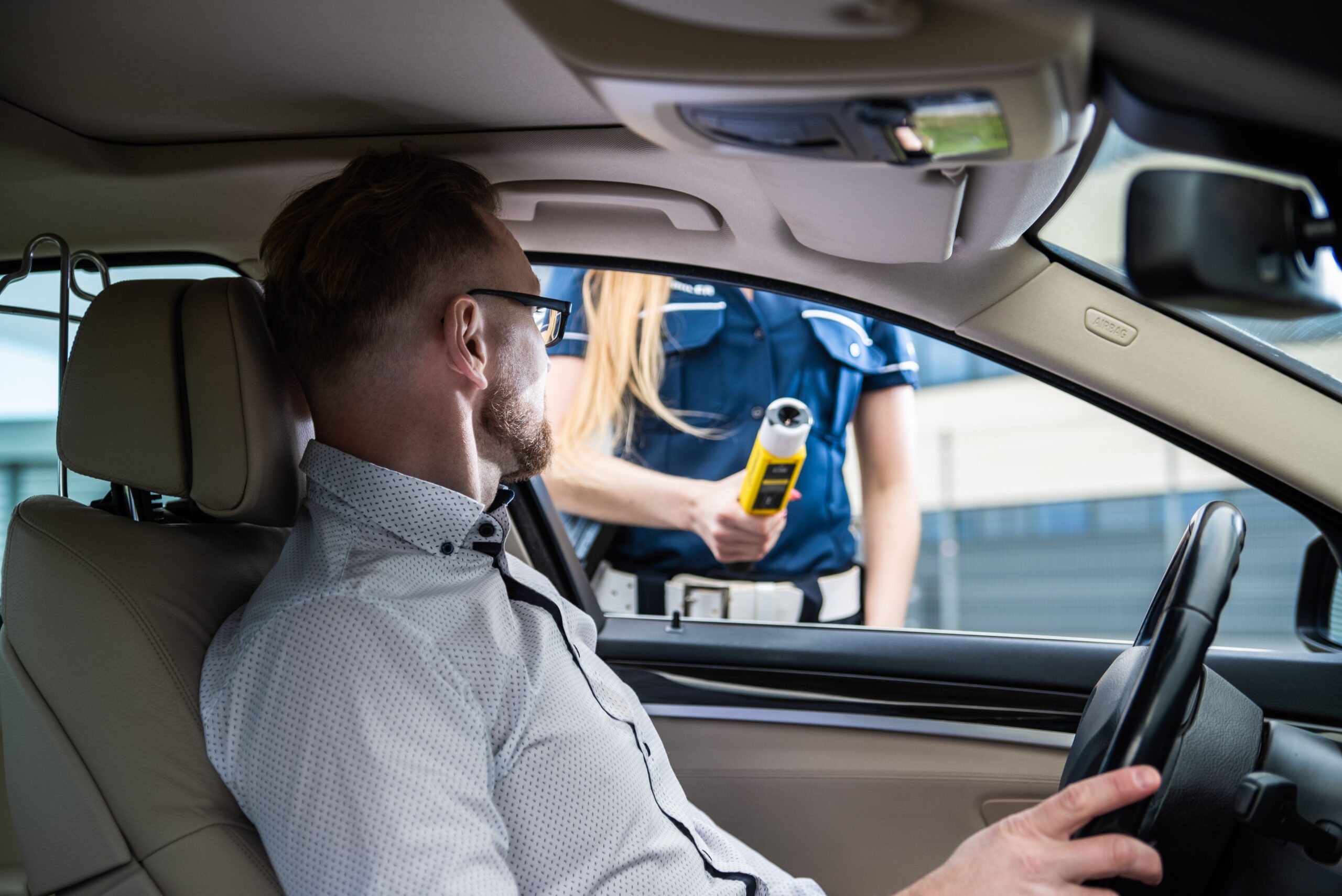
A routine traffic stop can turn stressful the moment an officer suspects alcohol use. Drivers often feel overwhelmed when asked to perform physical balance tests or blow into a handheld device. Understanding how law enforcement gathers this evidence is the first step in protecting personal rights.
Many people assume that failing these initial tests automatically leads to a conviction. However, physical coordination assessments and breath monitoring tools are far from foolproof. An experienced defense team knows how to scrutinize every detail of a traffic stop to reveal hidden flaws in the prosecution’s case. Spotting these procedural errors early on can completely change the trajectory of your legal defense.
Analyzing the Initial Traffic Stop for Legal Validity
Officers must have a valid legal reason to pull a vehicle over in the first place, as drivers cannot be stopped based on vague hunches or improper profiling without observed traffic violations. If the initial reason for the stop lacks proper support, any evidence collected afterward may be challenged. To uncover these issues, attorneys closely review dashboard camera footage and written police reports to verify the officer’s claims. Because simple driving errors like touching a lane marker do not always justify a suspicion of impairment, establishing that a stop was illegal can lead to a complete dismissal of the resulting charges.
Questioning the Accuracy of Physical Field Tests
Standardized physical exercises are designed to measure coordination and attention under pressure. Poor roadside conditions alongside intense stress frequently cause sober individuals to perform poorly. Uncomfortable footwear or pre-existing medical conditions can also severely compromise a driver’s balance and physical movement.
Working with an experienced advocate from Fellers Law helps highlight these external variables to the court. Defense attorneys evaluate whether the officer properly explained the instructions before starting the assessment. When officers fail to conduct these physical exercises correctly, the test results become far less reliable. Pointing out these administration flaws allows the defense to challenge the validity of the officer’s observations.
Evaluating Breathalyzer Calibration and Maintenance Records
Breath testing machines rely on delicate chemical sensors that require routine maintenance to stay accurate. State regulations mandate strict schedules for calibrating and servicing these specialized devices. If a police department misses a scheduled calibration date, the machine’s readouts become highly questionable in court.
Attorneys frequently request internal logs and maintenance records for the specific device used during an arrest. Discovering uncalibrated equipment or missing maintenance logs creates significant reasonable doubt.
Challenging the reliability of the device remains one of the most effective strategies for defense teams. Exposing technical oversights effectively undermines the prosecution’s reliance on chemical readouts. Uncovering clear proof of machine error gives the defense strong leverage to push for a reduction or dismissal of charges.
Exposing Operator Errors and Administration Mistakes
Even a properly calibrated machine yields inaccurate results when operated incorrectly by law enforcement. Officers must complete specific training certifications and follow strict step-by-step procedures during every test administration. For example, failing to observe a driver for a set period before testing can contaminate the final sample.
Health issues like acid reflux or recent dental work can also artificially inflate breath sample readings. Defense lawyers investigate these medical factors alongside the officer’s exact actions during the testing process. Demonstrating that proper protocols were ignored helps prevent flawed chemical evidence from deciding the case. Bringing these physiological exceptions to light ensures the court sees an accurate, complete picture of the situation.
Dissecting Environmental Factors and Biological Variables
External conditions during a traffic stop heavily influence how a driver performs on physical evaluations. Cold weather, flashing emergency lights, loud sirens, and passing highway traffic create an intense environment for anyone. Fatigue late at night can easily mimic physical impairment during balance assessments. Highlighting these severe environmental distractions helps explain why a completely sober driver might struggle with physical coordination tests.
Human biology also plays a major role in how breath testing equipment measures alcohol levels. Body temperature shifts and individual metabolic rates can alter test results away from true blood concentrations. Highlighting these natural human variables helps paint a complete, realistic picture of what actually happened during the stop.
Conclusion
Failing a breath test or physical evaluation does not mean an automatic conviction in court. Law enforcement officers must follow strict legal procedures and operational guidelines every step of the way. Partnering with a skilled attorney ensures that every piece of state evidence is thoroughly examined for accuracy and fairness.