



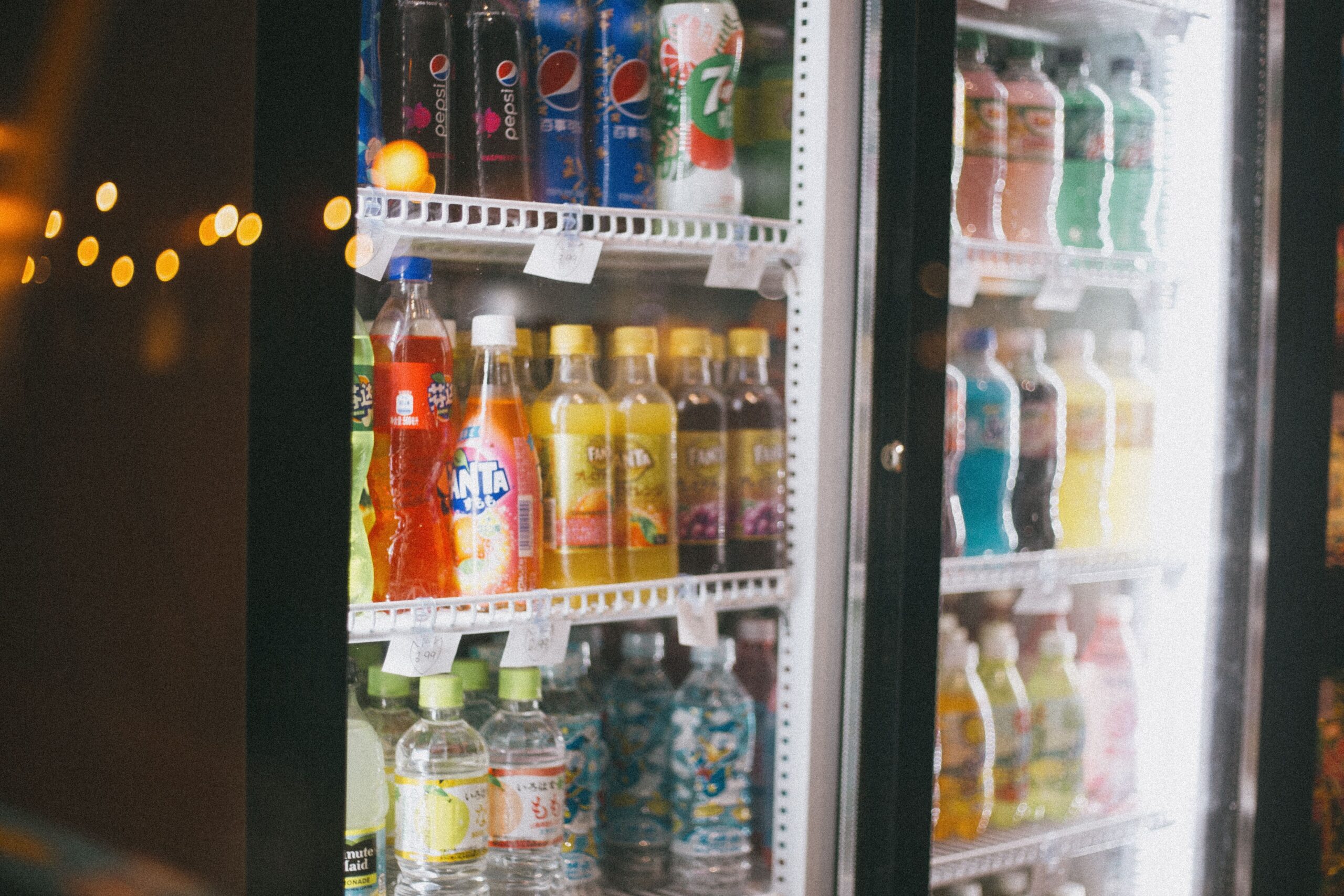
Refrigerated display cases rely on an invisible wall of cold air known as an air curtain. This cold stream travels down the front opening of the case to keep warm room air from seeping inside. When shelves are positioned incorrectly, they block this delicate stream and force the internal cooling fans to work twice as hard to maintain stable temperatures. Over time, this airflow disruption causes uneven cooling and higher energy bills while increasing the risk of food spoilage.
Proper spacing allows chilled air to move freely around every shelf tier instead of pooling at the top or bottom. When air circulates naturally, products stay at uniform temperatures throughout the entire unit. This balanced environment keeps food fresher while reducing the electrical strain on compressors and cooling motors.
Position Display Trays to Prevent Airflow Blockages
Pushing products too far back or letting display trays overhang the edges disrupts normal air movement. Blocking the return air grilles along the bottom edge prevents the system from drawing air back into the cooling coils. This disruption forces warm air into the case, causing frost build-up and forcing the system to run longer cooling cycles.
Leaving a gap of a few inches between the back wall and stored products allows cold air to circulate evenly around every item. Using properly fitted Hussmann case shelving helps operators maintain these critical clearance margins without sacrificing valuable product space. This precise fit optimizes internal airflow patterns to prevent system strain and lower overall energy costs. Maintaining these clear pathways ensures that chilled air covers every shelf level without creating warm pockets.
Balancing Shelving Height and Merchandising Volume
Store managers often try to pack as many items as possible onto every shelf level. Stacking products too high closes off the vertical space needed for cold air to drop down to the lower tiers. As a result, bottom-shelf inventory receives inadequate cooling and is left exposed to unsafe temperature spikes. This restricted airflow also causes frost build-up along the evaporator coils, leading to frequent and costly defrost cycles.
This overcrowding restricts movement throughout the cabinet. It forces the refrigeration unit to pull extra power just to keep the lower display sections at safe temperatures. Consequently, components like compressor motors experience accelerated wear and tear that can shorten the overall lifespan of your equipment.
Adjusting shelf heights to match inventory size creates clean channels for airflow. Leaving space above product tops allows air to glide smoothly across each row down to the bottom display deck.
Reducing Overall Energy Usage and Utility Costs
When display shelves are arranged to support natural air circulation, the whole refrigeration system operates much more efficiently. Cooling fans do not have to work constantly against blocked pathways, and defrost cycles run far less frequently. These small daily operational savings add up to lower monthly electric bills for the store owner. Optimized airflow protects both your bottom line and your equipment investments.
Consistently stable internal temperatures also protect inventory from premature spoilage and quality loss. Foods retain their freshness longer when they are not exposed to fluctuating thermal zones inside the case. Lower utility bills combined with less inventory loss directly improves the store’s overall bottom line.
Optimizing Layout Settings for Long Term Efficiency
Establishing routine shelf audits helps maintain proper spacing across every shift. Employees often move display trays during busy restocking periods without realizing they are blocking critical airflow vents. Regular staff training ensures that inventory stays within safe display boundaries and off the air grilles.
Upgrading worn or bent components keeps display lines aligned and easy to adjust. Clean, flat surfaces allow staff to arrange products correctly while preserving vital airflow channels. Proper maintenance transforms standard display cases into reliable, energy-efficient sales tools.
Conclusion
Correct shelf placement is one of the simplest ways to cut energy costs and protect valuable food inventory in commercial refrigeration setups. By keeping airflow paths open and respecting built-in equipment boundaries, operators can maintain steady temperatures with less electrical strain. Taking the time to adjust shelf heights and train staff pays off through lower monthly power bills and fresher product displays.