



Fungal infections can sometimes be tricky to spot. Symptoms like fatigue, mild fever, digestive discomfort, or unexplained headaches might not immediately suggest a fungal cause. In many cases, these infections remain hidden until they become more serious, especially in people with weakened immune systems or chronic health conditions.
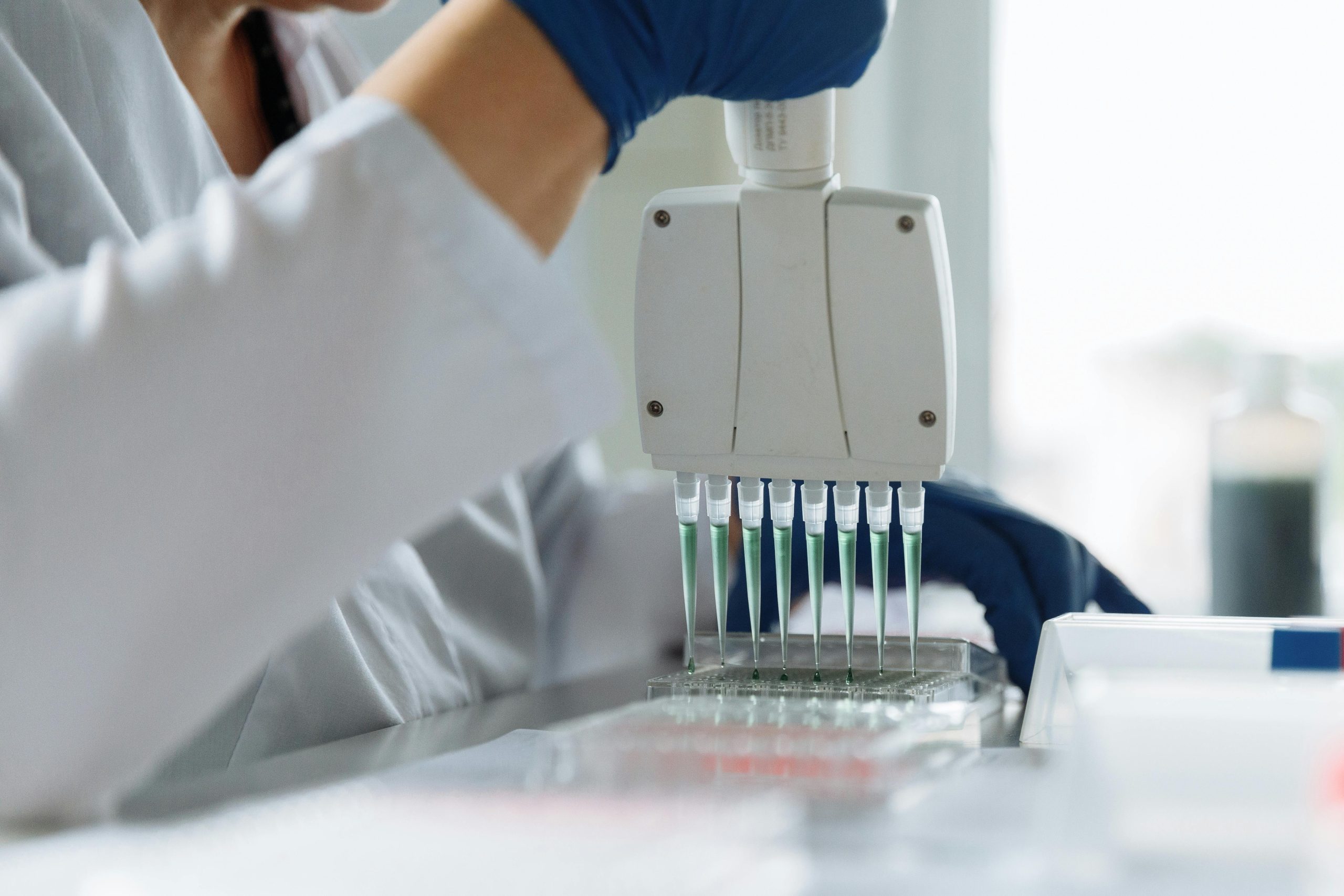
Advanced fungal diagnostics help uncover infections that might otherwise go undetected. These tests go beyond standard lab cultures, giving doctors a clearer picture of what’s happening inside the body. They provide a way to catch infections early, which can make treatment more effective and recovery faster. Early detection often reduces stress and uncertainty for patients, because it allows them to take action before complications arise.
Detecting Infections Earlier
One of the biggest benefits of advanced fungal diagnostics is early detection. Traditional methods can take days or even weeks to identify the exact fungus causing an infection, leaving patients in limbo. Modern techniques like molecular testing, antigen detection, and PCR-based methods provide faster results and higher accuracy.
Early detection is crucial because fungal infections can spread quickly if left untreated, sometimes reaching the bloodstream or major organs. Identifying the specific type of fungus helps doctors choose the most effective antifungal treatment, which reduces complications and prevents the infection from worsening. In addition, early intervention often shortens recovery time and prevents long-term health consequences.
Identifying Rare or Resistant Fungi
Not all fungal infections are the same. Some are caused by common species like Candida, while others may involve rare, emerging, or drug-resistant strains that do not respond to standard therapies. Advanced diagnostics use precise methods to distinguish between these types, which traditional tests might miss.
Knowing the exact species allows doctors to avoid trial-and-error treatment. This is especially important for patients who don’t respond to standard therapies, as it ensures they receive the right medication promptly. Accurate identification also reduces the risk of prolonged illness and prevents unnecessary exposure to ineffective medications, protecting overall health.
Guiding Targeted Treatment Plans
Once a fungal infection is identified, the next step is planning treatment. Advanced diagnostics, like those provided by Lab Pros, provide detailed information about how the fungus behaves, its growth patterns, and which medications it is susceptible to. This data is critical in developing a targeted treatment plan that is both effective and safe.
Targeted treatments reduce the chance of side effects and improve recovery times. Instead of using broad-spectrum antifungal drugs that may be less effective or harsher on the body, doctors can select the therapy best suited to the specific infection. Patients benefit from treatments that address the root cause directly, which increases the likelihood of a successful outcome.
Monitoring Recovery and Recurrence
Advanced fungal diagnostics aren’t just for initial detection—they’re also useful for tracking recovery. Tests can show whether a treatment is working or if the infection persists, even at low levels. Regular monitoring allows doctors to adjust therapies as needed and ensures that patients remain on the right path to recovery.
This monitoring also helps detect recurrences early. For patients with ongoing health conditions or compromised immune systems, keeping an eye on fungal activity can prevent serious complications. Continuous tracking supports better long-term health management and gives patients confidence that their care is being handled proactively.
Supporting Public Health Insights
Beyond individual care, advanced fungal diagnostics contribute to broader health knowledge. By accurately identifying fungal species and tracking trends, laboratories and healthcare providers can better understand how infections spread in communities.
These insights support public health strategies, improve treatment protocols, and inform infection prevention programs. They also help researchers develop new antifungal therapies and diagnostic tools, which benefits everyone at risk of hidden fungal infections. Advanced diagnostics create knowledge that strengthens both personal and public health outcomes.
The Value of Advanced Fungal Testing
Advanced fungal diagnostics reveal what standard testing might miss. They detect hidden infections early, identify rare or resistant fungi, guide targeted treatments, monitor recovery, and provide insights for public health. These benefits make a real difference in patient outcomes and overall well-being.
For more information about how these tests work and the kinds of infections they can uncover, you can reach out to lab services available in your area. Advanced fungal diagnostics are not just a tool—they’re a vital part of catching infections before they cause serious problems, helping patients regain health with confidence. By providing timely, accurate, and detailed insights, these diagnostics give both doctors and patients the clarity needed to take the next steps toward recovery.
