



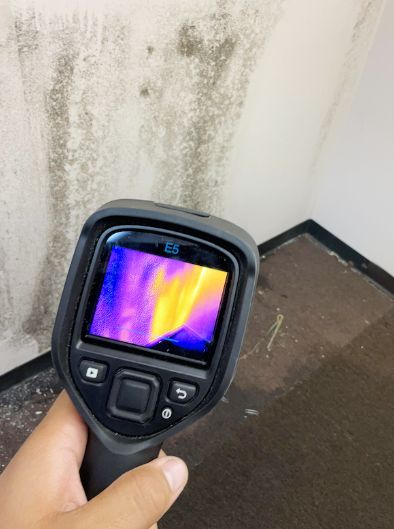
Volatile Organic Compounds (VOCs) are a group of carbon-based chemicals that readily evaporate at room temperature, posing both environmental and health risks. They are released from industrial processes, petroleum refining, chemical manufacturing, and even everyday products like paints, solvents, and fuels. Continuous VOC leak monitoring is essential for identifying emissions early, ensuring regulatory compliance, and protecting workers and surrounding communities from exposure North West leak detection.
Understanding VOCs and Their Impact
VOCs contribute significantly to air pollution and can react with nitrogen oxides (NOx) to form ground-level ozone and smog. Common VOCs include benzene, toluene, xylene, formaldehyde, and ethylene. Many of these are hazardous air pollutants (HAPs) that cause respiratory irritation, headaches, and long-term health effects such as organ damage or cancer.
For industries, VOC leaks can occur through faulty seals, valves, tanks, pipelines, and process equipment. Without effective detection systems, even small leaks can accumulate, leading to regulatory violations, product losses, and environmental damage.
The Importance of VOC Leak Monitoring
VOC monitoring is not just a matter of environmental stewardship—it’s a critical operational and safety requirement. Key reasons to implement monitoring systems include:
- Regulatory Compliance – Environmental agencies such as the U.S. Environmental Protection Agency (EPA) and the European Environment Agency (EEA) mandate VOC emission limits and monitoring for many industrial facilities.
- Worker Health Protection – Detecting leaks early minimizes harmful exposure in confined or high-risk areas.
- Fire and Explosion Prevention – Many VOCs are highly flammable, and leak detection reduces the risk of ignition.
- Economic Efficiency – Preventing product loss through leak monitoring saves money and reduces waste.
- Environmental Responsibility – Detecting and mitigating VOC emissions helps reduce air pollution and contributes to sustainability goals.
Common VOC Leak Monitoring Techniques
Various detection technologies are used depending on the environment, accuracy requirements, and the nature of the compounds being monitored.
1. Flame Ionization Detection (FID)
One of the most established methods, FID detects hydrocarbons by measuring ionized particles generated when VOCs burn in a hydrogen flame. FID analyzers offer high sensitivity and are widely used for Total Hydrocarbon (THC) monitoring in industrial and environmental applications.
2. Photoionization Detection (PID)
PID instruments use ultraviolet light to ionize VOC molecules. They are ideal for portable or fixed-point monitoring and can detect a wide range of organic compounds at low concentrations. PIDs are particularly useful for indoor air quality and occupational safety checks.
3. Infrared (IR) Spectroscopy
Infrared detectors identify VOCs based on their characteristic absorption of infrared light. Non-dispersive infrared (NDIR) sensors are popular for continuous emission monitoring, offering fast response times and stable operation with minimal maintenance.
4. Gas Chromatography (GC)
GC is used in laboratory and portable analyzers for precise identification and quantification of individual VOC species. When combined with FID or mass spectrometry (MS), GC provides a comprehensive profile of hydrocarbon emissions.
5. Ultrasonic and Optical Sensors
Advanced optical systems, such as open-path infrared and laser-based sensors, can detect VOC leaks over long distances, making them suitable for monitoring large industrial areas like refineries and chemical plants.
Fixed vs. Portable Monitoring Systems
Fixed VOC monitors are installed in key areas of industrial sites to provide continuous, real-time data. They automatically trigger alarms when concentrations exceed preset limits.
Portable VOC detectors, on the other hand, allow maintenance teams to inspect specific equipment and identify leak sources during routine inspections or emergency responses. Combining both systems offers comprehensive coverage—continuous background monitoring supported by targeted field detection.
Integrating VOC Monitoring with Leak Detection Programs
Modern facilities are adopting integrated Leak Detection and Repair (LDAR) programs that combine monitoring technologies, data analytics, and maintenance protocols. LDAR systems track emission sources, record inspection data, and verify repairs, ensuring regulatory compliance and minimizing environmental impact.
Automated LDAR systems now use IoT-enabled sensors and wireless networks to provide real-time alerts and centralized data visualization. This technology helps prioritize critical leaks and improve decision-making for environmental and operational management.
Key Considerations for Effective VOC Monitoring
To ensure accurate and reliable leak detection, facilities should focus on:
- Sensor Placement: Install sensors near high-risk components such as valves, compressors, and tanks.
- Calibration and Maintenance: Regular calibration ensures measurement accuracy and compliance with environmental standards.
- Data Logging and Reporting: Continuous data collection allows trend analysis, helping predict and prevent future leaks.
- Alarm Systems: Automated alerts enable rapid response to potential leaks before they escalate.
- Environmental Factors: Temperature, humidity, and airflow can affect readings—systems should be designed to compensate for these variables.
The Future of VOC Leak Detection
Advancements in sensing and communication technologies are transforming VOC monitoring. The future lies in AI-driven leak prediction, cloud-based analytics, and remote monitoring systems that allow real-time oversight across multiple sites. Compact multi-gas sensors and energy-efficient devices are making continuous monitoring more accessible and cost-effective.
In addition, regulatory agencies are increasingly emphasizing continuous emission monitoring systems (CEMS) to improve accuracy and accountability in reporting.
Conclusion
VOC leak monitoring is essential for maintaining safety, regulatory compliance, and environmental integrity. By adopting modern detection technologies—whether through FID, PID, IR, or integrated LDAR systems—industries can detect leaks early, reduce emissions, and protect both people and the planet.
Effective VOC monitoring is not just about meeting standards—it’s about responsible operation, cost efficiency, and safeguarding the environment from the silent but serious threat of volatile organic compounds.
