



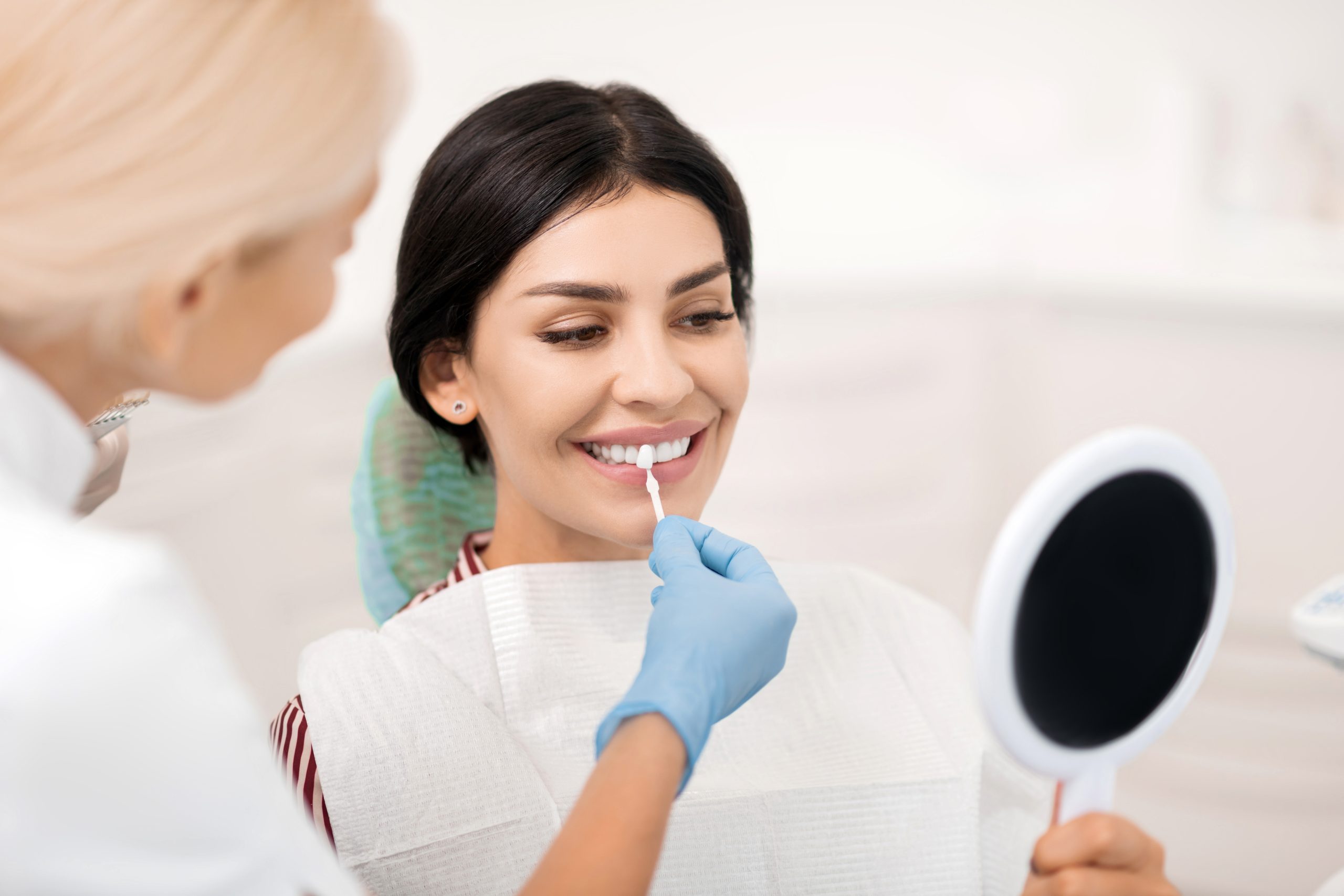
A bright, confident smile is one of the first things people notice when they meet you. It can signal health, warmth, and vitality, as well as boost your self‑esteem in ways few other features can. However, maintaining a radiant smile takes more than an occasional whitening strip or a quick brushing routine. True brightness comes from a combination of preventive dental care, smart daily habits, and safe whitening practices. This guide walks you through everything you need to know to keep your smile healthy, strong, and brilliantly bright.
Understanding What Makes a Smile Bright
Before diving into whitening methods or dental treatments, it helps to understand what actually affects the brightness of your teeth.
The Role of Enamel
Enamel—the hard, outer layer of your teeth—is naturally slightly translucent. The color of the dentin beneath it, combined with the thickness and health of the enamel itself, determines how white your teeth appear. Strong enamel reflects light better and resists staining, which is why enamel protection is essential before considering any whitening treatment.
The Science of Tooth Stains
Tooth discoloration generally falls into two main categories: extrinsic and intrinsic stains. Extrinsic stains sit on the surface of the enamel and are caused by highly pigmented foods and drinks such as coffee, tea, red wine, soda, berries, and tomato‑based sauces, as well as tobacco use. These stains build up gradually and are often made worse by habits that expose the teeth to frequent pigments or acids.
Intrinsic stains, on the other hand, develop deeper within the tooth and may result from aging, certain medications, trauma, or genetics. In addition to these stain types, plaque and tartar buildup can dull your smile by creating a rough surface that traps pigments more easily. This is why preventive dentistry, such as regular cleanings, good home care, and early treatment of dental issues with help from professionals like Pell City Dental, is essential for keeping your teeth looking bright and healthy.
Building a Strong Foundation With Preventive Dentistry
Preventive dentistry is the backbone of a bright smile. Whitening treatments work best and last longer when your teeth and gums are healthy.
Why Preventive Care Comes Before Whitening
Whitening on unhealthy teeth can lead to sensitivity, uneven results, or even damage. Dentists always recommend addressing cavities, gum inflammation, or enamel erosion before whitening. Healthy teeth respond better to whitening and maintain brightness longer.
Routine Dental Cleanings
Professional cleanings remove plaque and tartar that brushing alone can’t eliminate. This not only improves oral health but also enhances the effectiveness of whitening treatments. Polishing during a cleaning can remove surface stains, giving your smile an immediate boost even before whitening.
Regular Dental Exams
During exams, dentists check for early signs of decay, gum disease, or enamel wear. They also evaluate whether your teeth are good candidates for whitening. This step ensures your whitening results will be safe, even, and long‑lasting.
Fluoride Treatments and Sealants
Fluoride strengthens enamel, making it more resistant to stains and sensitivity. Sealants protect the grooves of your teeth from decay. Both treatments support a healthier foundation for whitening and help maintain brightness over time.
Daily Habits That Keep Your Smile Bright
Your everyday routine plays a major role in how bright your smile stays, influencing both the appearance and overall health of your teeth. Simple habits, such as brushing effectively, flossing daily, and making mindful food choices, can make a noticeable difference in maintaining long‑lasting brightness.
Brushing and Flossing Techniques
Brushing twice a day removes stain‑causing residue, but technique matters. Use gentle circular motions and a soft‑bristled brush to avoid enamel wear. Flossing removes plaque between teeth—an area where discoloration often starts.
Choosing the Right Toothpaste
Whitening toothpastes can help remove surface stains, but they should be enamel‑safe. Look for formulas with gentle abrasives, fluoride, or low‑dose peroxide. Avoid overly abrasive products that can thin enamel over time.
Mouthwash and Rinses
Whitening rinses can help maintain brightness, but they’re not a substitute for professional whitening. Antibacterial rinses support gum health, which contributes to an overall brighter smile.
Hydration and Saliva Production
Saliva naturally cleans your teeth and neutralizes acids. Staying hydrated helps prevent dry mouth, which can lead to discoloration and decay.
Foods and Drinks That Affect Tooth Brightness
What you eat and drink has a major impact on your smile, influencing not just the brightness of your teeth but also the long‑term health of your enamel.
Stain‑Causing Culprits
Several everyday foods and drinks can gradually discolor your teeth, making it harder to maintain a bright smile. Common offenders include coffee, tea, red wine, soda, sports drinks, berries, tomato‑based sauces, curry, and tobacco products. These items contain pigments and acids that cling to enamel and create surface stains over time. Acidic foods and beverages are especially problematic because they weaken enamel, making it easier for stains to penetrate and become more noticeable.
Smile‑Friendly Foods
Some foods can actually help keep your smile bright and healthy. Crunchy fruits and vegetables like apples and carrots act as natural scrubbers, gently cleaning the surface of your teeth as you chew. Dairy products rich in calcium support strong enamel, which helps teeth appear whiter and more resilient to staining. And of course, water is one of the best smile‑friendly choices—it rinses away food particles and residue, helping prevent discoloration throughout the day.
Smart Eating and Drinking Strategies
You don’t have to give up your favorite foods—just be strategic. Use a straw for dark beverages, rinse your mouth after eating, and brush 30 minutes after consuming acidic foods.
Professional Whitening Options
When you want noticeable results, professional whitening is the safest and most effective route.
In‑Office Whitening Treatments
These treatments use high‑concentration whitening agents applied under dental supervision. They offer dramatic results in a single visit and are ideal for people seeking fast, safe whitening.
Custom Take‑Home Whitening Trays
Dentists can create custom trays that fit your teeth perfectly. You’ll use a professional‑grade whitening gel at home over several days or weeks. This option offers flexibility and gradual, natural‑looking results.
When Whitening Isn’t Recommended
Whitening may not be suitable if you have gum disease, untreated cavities, severe sensitivity, or are pregnant. In these cases, your dentist may recommend alternative cosmetic options.
At‑Home Whitening Options
Over‑the‑counter whitening products can be a helpful way to maintain brightness or achieve mild improvements between professional treatments. Whitening strips and gels are among the most popular choices, and when used consistently, they can lighten teeth by a few shades. They tend to work best for people with minimal staining and healthy enamel, offering a convenient option for subtle brightening.
Whitening pens and LED kits provide another level of convenience, especially for quick touch‑ups or on‑the‑go use. LED lights can enhance the whitening process, but the overall effectiveness depends heavily on the quality of the whitening gel included in the kit. Results can vary widely, so it’s important to choose reputable products and follow instructions carefully.
Some people explore natural whitening remedies, such as baking soda or oil pulling, which may offer mild benefits. However, more aggressive DIY methods—like charcoal powders or acidic mixtures—can damage enamel and lead to long‑term sensitivity. Because enamel does not grow back, it’s always wise to consult a dentist, such as someone like Auburn Dental Aesthetics, before trying any natural or homemade whitening approach.
Maintaining Whitening Results
Once your teeth are bright, keeping them that way depends on consistent care and smart habits. Post‑whitening care is especially important during the first 24–48 hours, when your teeth are more prone to staining. During this period, it’s best to avoid dark foods and drinks, and use a sensitivity‑reducing toothpaste if you experience any discomfort. For long‑term maintenance, occasional touch‑ups, either at home or through your dentist, help preserve your results. Whitening toothpastes or rinses can also support ongoing brightness between treatments.
Your everyday choices also play a major role in how long your whitening lasts. Lifestyle habits that protect your smile, such as quitting smoking, limiting sugary or acidic beverages, and staying consistent with dental cleanings, all help maintain a bright, healthy appearance. By combining good daily habits with regular professional care, you can extend the life of your whitening results and enjoy a radiant smile for the long term.
Addressing Common Concerns About Whitening
Concerns about teeth whitening are common, and understanding them can make the process feel much more comfortable. Tooth sensitivity is one of the most frequent issues people experience, but it’s usually temporary and manageable. Dentists like Salina Dental Arts can recommend desensitizing products, adjust the strength of your whitening treatment, or space out sessions to reduce discomfort. Uneven whitening is another concern, often caused by differences in enamel thickness or the presence of previous dental work. A dentist can address this by tailoring the treatment to specific teeth or using corrective techniques to create a more uniform result. It’s also important to remember that crowns, veneers, and fillings do not respond to whitening agents. If you’re planning to whiten your teeth, it’s best to do so before getting any restorations so your dentist can match them to your newly brightened shade.
When Cosmetic Dentistry May Be the Better Option
When deep stains, discoloration, or structural issues are present, traditional whitening may not deliver the results you’re hoping for. In these cases, cosmetic dentistry can offer more effective and longer‑lasting solutions. Veneers, for example, are thin porcelain shells that cover the front surface of the teeth to create a permanently bright, uniform appearance. Bonding is another option, using a tooth‑colored resin to conceal discoloration, chips, or minor imperfections for a natural, refreshed look. For surface‑level concerns, microabrasion can gently remove superficial white spots or shallow stains, revealing a smoother, more even smile. Together, these treatments provide alternatives when whitening alone isn’t enough to achieve the brightness and balance you want.
How Preventive Dentistry and Whitening Work Together
Preventive care keeps your teeth healthy, while whitening enhances their appearance. Together, they create a long‑term strategy for a bright, confident smile. Your dentist can help you build a personalized plan that protects your enamel and maintains your results.
A bright smile isn’t just about whitening—it’s about caring for your teeth every day. With strong preventive habits, regular dental visits, and safe whitening practices, you can enjoy a radiant smile that reflects both health and confidence. Your smile is one of your greatest assets, and with the right approach, it can stay bright for years to come.
