



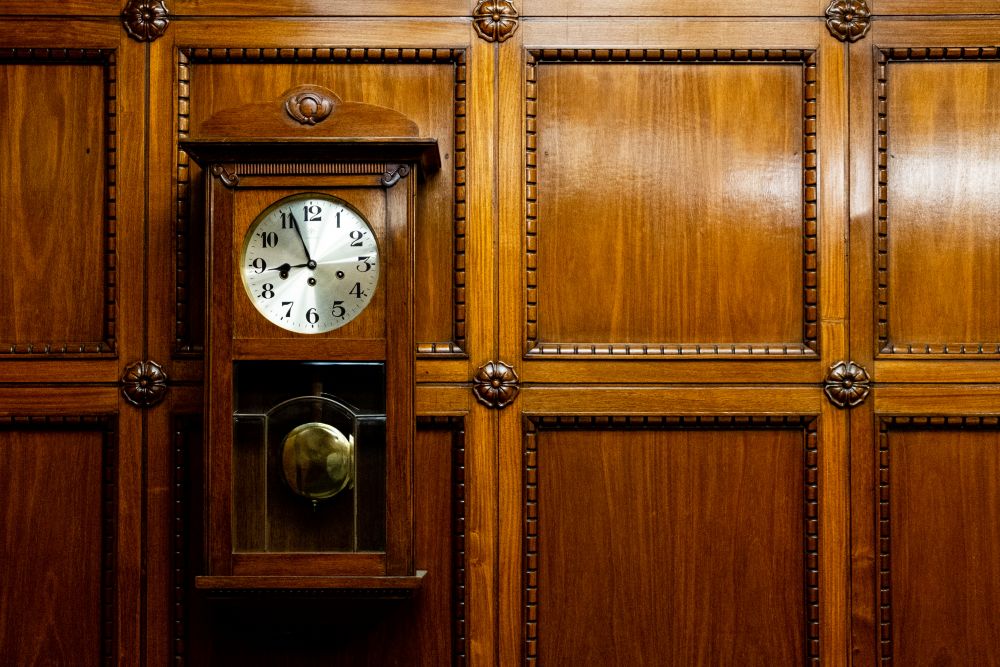
A grandfather clock is more than just a timekeeper—it’s a cherished heirloom that often carries generations of memories. Whether it stands tall in your living room or occupies a quiet corner in your hallway, maintaining it ensures both its beauty and precision last for decades. Over time, however, wear and tear can cause certain components to lose their efficiency or fail altogether.
Knowing what parts to replace and how to care for them can help preserve the clock’s rhythm and charm. This guide explores the essential components that keep your grandfather clock working smoothly. From the pendulum to the chimes, every piece has a purpose. Let’s take a closer look at what makes this timeless treasure tick.
The Pendulum: The Heartbeat of the Clock
The pendulum is one of the most recognizable parts of a grandfather clock and is crucial for maintaining accurate time. Its rhythmic swing regulates the entire mechanism, ensuring each tick and tock stays consistent. Over years of use, the pendulum rod or suspension spring can weaken or bend, leading to irregular timing. Dust or humidity can also affect its motion, so regular cleaning and balance checks are important.
When repairing or replacing this part, having the right grandfather clock replacement parts ensures the pendulum functions smoothly and in sync with the rest of the mechanism. Doing so ensures the clock’s delicate timing system continues to operate precisely. Without a properly functioning pendulum, even the most beautiful grandfather clock can lose its steady beat.
Weights and Cables: Powering the Movement
The weights of a grandfather clock are what drive its movement, slowly descending over time to keep the gears turning. Each weight serves a specific function—one for the chime, one for the hour strike, and one for timekeeping. If a cable frays or a chain becomes tangled, the clock may stop running or chime incorrectly. Replacing damaged weights or cables helps restore balance and prevents more serious mechanical issues.
It’s also wise to inspect the pulleys and hooks regularly to ensure smooth motion. The correct positioning of weights is vital, as even a slight imbalance can cause timing errors. With proper care, these components will keep your clock running reliably for years.
The Movement: The Engine Behind the Face
The movement, often called the “engine” of the clock, is responsible for making everything run in harmony. It coordinates the gears, hands, chimes, and pendulum with precision. Over time, lubricants dry out, and small metal parts may wear down, causing the clock to lose accuracy or stop entirely.
Replacing or refurbishing the movement can breathe new life into an old clock without compromising its heritage. This task is often best left to professionals who understand antique mechanisms. Still, regular maintenance—like cleaning and gentle oiling—can extend the life of the movement. Keeping it well-maintained ensures your clock continues to run like it did decades ago.
Dials and Hands: The Face of Elegance
The dial and clock hands are the most visible elements, giving your grandfather clock its signature look. Over time, exposure to light and air can cause fading, tarnishing, or corrosion. Delicate hands can bend, and painted numerals may wear away, affecting readability and appearance. Replacing these parts can restore the clock’s original charm without diminishing its antique value.
Many restorers prefer matching modern replicas to vintage designs to maintain authenticity. Gentle polishing and dusting can also prevent further damage. With careful attention, the dial and hands can continue to showcase the grace and tradition of your family heirloom.
Chime Components: Restoring the Melody
The chimes are one of the most enchanting features of a grandfather clock, filling your home with rich, melodic tones. Each chime rod, hammer, and gear works together to create that timeless sound. Over years of use, these pieces may loosen, break, or lose resonance. Cleaning and adjusting the hammers can improve tone clarity, while replacing worn rods brings back the clock’s signature melody.
Regularly testing the chime sequence ensures it strikes at the correct intervals. Restoring the chime system not only enhances sound quality but also preserves the emotional connection tied to its familiar rhythm. Keeping these parts in top shape allows your clock to sing beautifully once more.
Conclusion: Keeping Tradition Alive
When repairing a grandfather clock, having the right grandfather clock replacement parts on hand is essential to restore proper function and accuracy. Your grandfather clock represents more than just craftsmanship—it holds history, sentiment, and timeless beauty. Each part, from the pendulum to the chimes, contributes to its steady rhythm and familiar sound.
By understanding how these components work and addressing issues promptly, you ensure your clock remains a functional piece of art. Regular maintenance and proper replacements preserve not only its mechanical integrity but also its emotional value. With care and attention, this heirloom can continue to be passed down for generations, ticking steadily through the years. Keeping your grandfather clock in great condition means preserving a piece of your family’s story. And that’s time well spent.
