



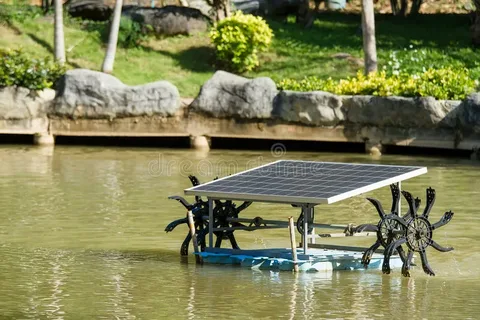
Pond air pumps are one of the most important pieces of equipment for keeping any pond healthy, clear, and well-oxygenated. Whether you have a small garden pond, a wildlife pond, or a heavily stocked koi pond, proper aeration is crucial for fish health, biological filtration, and overall water quality. A reliable pond air pump ensures that oxygen constantly circulates throughout the water, preventing stagnation and supporting the beneficial bacteria that keep your pond balanced.
Why Pond Aeration Is Important
Aeration plays a vital role in maintaining a stable pond ecosystem. Fish need oxygen to breathe, and so do the beneficial bacteria that break down fish waste and organic material. Without enough oxygen, ponds can quickly develop ammonia spikes, murky water, algae blooms, and foul odours. Warm summer months and densely stocked ponds are especially prone to low oxygen levels. A pond air pump helps prevent these problems by releasing streams of bubbles that increase gas exchange at the surface, allowing oxygen to enter and harmful gases to escape. This continuous movement also stops ice from completely sealing the pond during winter, protecting fish by preventing toxic gases from being trapped beneath the surface.
Types of Pond Air Pumps
There are several types of pond air pumps designed to suit different ponds and requirements. Small diaphragm air pumps are ideal for small and medium ponds, offering quiet operation and reliable output. For larger ponds or koi ponds with a high fish load, large diaphragm or piston air pumps provide strong airflow and long-lasting performance. Many pumps come in complete kits with air stones, tubing, and manifolds, making installation simple even for beginners. Solar pond air pumps are also available for eco-friendly aeration, although they work best in sunny climates or as supplementary systems.
How to Choose the Right Pond Air Pump
Selecting the right air pump depends on your pond’s size, depth, stocking level, and filtration setup. Larger ponds require pumps with higher litres-per-hour (LPH) ratings to ensure adequate oxygen circulation. Koi ponds, which typically have a heavier biological load, benefit from high-output pumps that support both fish and biofilters such as moving bed systems. For deep ponds, choose a pump powerful enough to push air effectively to the bottom. Other factors to consider include energy efficiency, noise levels, weatherproof casings, and the quality of accessories like air stones and manifolds.
Benefits of Using Pond Air Pumps
A well-aerated pond stays clearer, healthier, and easier to maintain. Aeration improves filter performance, supports stable water chemistry, and helps prevent algae growth by reducing excess nutrients. It also keeps fish active, healthy, and stress-free. During winter, a pond air pump prevents the pond from freezing over completely, which is essential for maintaining gas exchange. Overall, installing a pond air pump is one of the simplest and most effective ways to improve water quality and ensure long-term pond health.
Conclusion
Pond air pumps are essential tools for maintaining a balanced, oxygen-rich, and thriving pond environment. From supporting fish health to improving filtration and preventing algae blooms, a reliable air pump offers long-term benefits for any pond setup. Whether you own a small garden pond or a large koi pond, investing in a high-quality air pump is key to a healthier and more enjoyable water feature.
