



The planet is getting warmer, and the effects are showing up right in our living rooms. What used to be occasional, uncomfortable summer days have become extended periods of intense heat that strain our homes and our comfort levels. If you’ve noticed your house staying warmer longer or your cooling bills climbing year after year, you’re experiencing a shift that’s happening to homeowners everywhere. The good news is that you don’t have to accept living in an increasingly uncomfortable home.
There are practical ways to adapt your living space to handle higher temperatures while maintaining the comfort and livability you deserve. This article explores the various approaches homeowners are taking to protect their homes against rising heat, from understanding how your building materials respond to temperature changes to implementing modern cooling solutions that work with your home’s unique characteristics.
Window Treatments and Solar Heat Gain
Windows are often the weakest point in your home’s defense against rising temperatures, allowing solar radiation to turn rooms into greenhouses. The type of glass, the direction windows face, and whether they have adequate shading all dramatically impact how much heat enters your home throughout the day.
Modern window films can reject significant amounts of solar heat without blocking natural light, while cellular shades create air pockets that insulate against temperature extremes. External shading like awnings or pergolas prevents heat from ever reaching the glass, making them more effective than interior treatments alone.
Roof Color and Reflective Surfaces
Your roof bears the brunt of solar exposure and can reach temperatures far higher than the ambient air around your home. Dark-colored roofing materials absorb heat and transfer it into your attic and living spaces, while lighter colors reflect more solar radiation back into the atmosphere.
Specialized cool roof coatings and reflective shingles are designed specifically to minimize heat absorption, keeping attic temperatures lower and reducing the burden on your cooling systems. When it’s time to replace your roof, choosing materials with high solar reflectance can make a measurable difference in your home’s overall temperature and cooling costs.
Attic Ventilation and Insulation Balance
Trapped heat in your attic creates a thermal blanket that presses down on your living spaces, making it harder to maintain comfortable temperatures below. Proper ventilation allows hot air to escape while drawing cooler air in, preventing heat buildup that would otherwise radiate through your ceiling.
Ridge vents, soffit vents, and powered attic fans work together to create airflow that can drop attic temperatures significantly. Combining good ventilation with adequate insulation creates a barrier that keeps hot air from migrating into your home while still allowing moisture to escape.
Professional HVAC System Installation
Modern cooling systems have evolved far beyond simple window units, offering sophisticated options that can handle increasing heat while maintaining efficiency. Central air conditioning systems provide whole-home cooling through ductwork, while ductless mini-split systems allow you to cool specific zones without major renovations.
Heat pumps can both cool and heat your home, making them versatile choices that adapt to different seasonal needs. HVAC contractors, found in companies like Texas Ace Service – Heating & Air, typically offer consultation services to assess your home’s cooling requirements, calculate the appropriate system capacity, and handle the technical installation that involves electrical work, refrigerant lines, and proper drainage setup.
Landscaping for Temperature Control
Trees and vegetation around your home create natural cooling zones that can lower surface temperatures and reduce heat absorption into your building envelope. Deciduous trees planted on south and west-facing sides provide shade during hot months while allowing winter sun to reach your home after leaves fall.
Ground covers and shrubs near your foundation prevent soil and concrete from absorbing heat and radiating it back toward your walls. Strategic landscaping takes time to mature but offers long-term cooling benefits that increase as plants grow larger and more established.
Air Sealing and Infiltration Control
Small gaps and cracks throughout your home allow hot outdoor air to seep inside while letting conditioned air escape, forcing your cooling systems to work harder. These infiltration points are often found around windows, doors, electrical outlets, plumbing penetrations, and where different building materials meet.
Sealing these gaps prevents unwanted heat from entering while also improving humidity control and air quality. Energy auditors can perform blower door tests to identify exactly where air is leaking, giving you a clear picture of which areas need attention most urgently.
Whole-House Fan Systems
These powerful ventilation systems pull cool evening and morning air through your home while exhausting hot air through the attic, providing relief without air conditioning. They work best when outdoor temperatures drop at night, allowing you to flush out accumulated heat and start each day with a cooler baseline.
Whole-house fans use significantly less electricity than air conditioning systems, making them practical for mild to moderate heat conditions or as a supplement to other cooling methods. Electricians who specialize in home ventilation systems can install these units, which require cutting an opening in your ceiling and adding louvers to your attic vents for proper airflow.
Smart Thermostat Technology
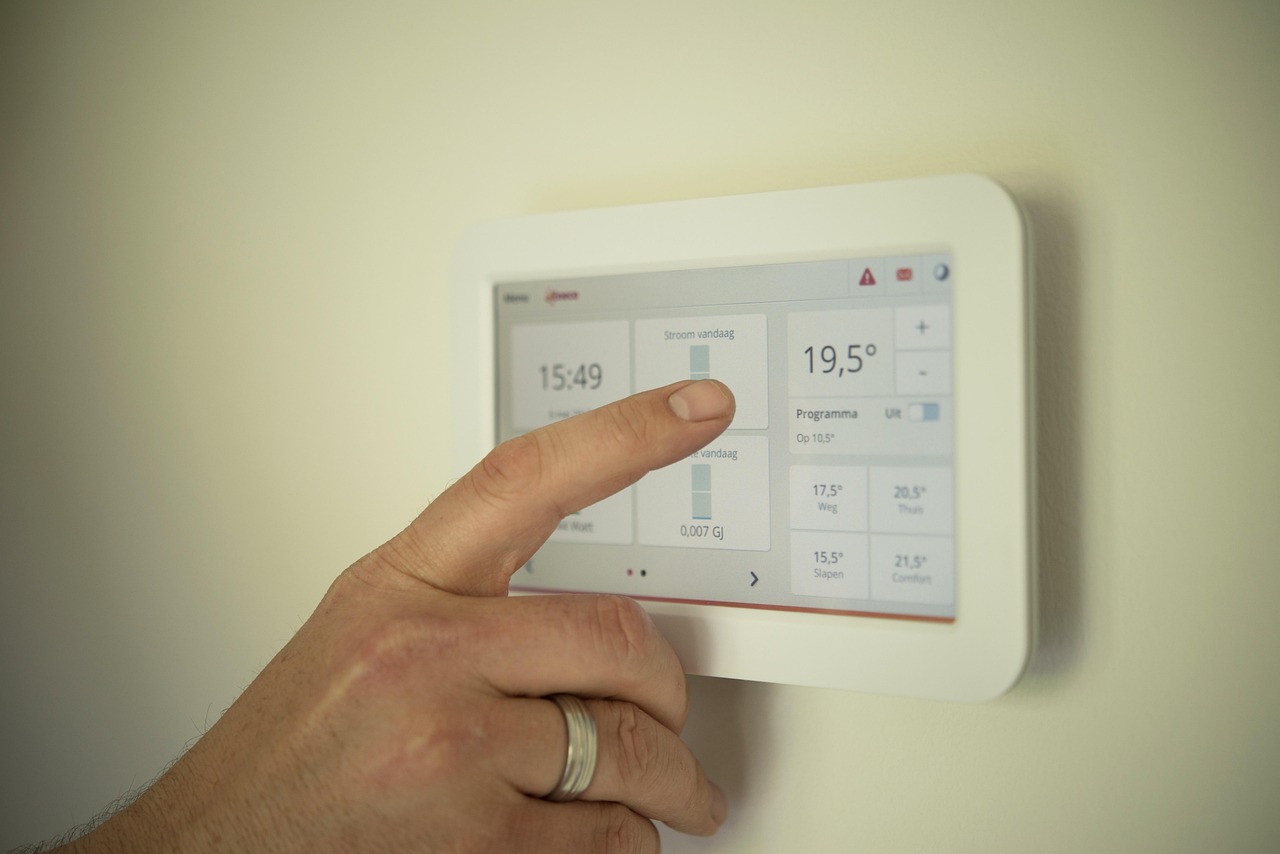
Temperature management becomes more effective when your cooling systems respond intelligently to changing conditions and occupancy patterns. Smart thermostats learn your schedule and preferences, automatically adjusting temperatures when you’re away and pre-cooling before you return home.
They provide detailed energy usage data that helps you understand which behaviors and settings impact your cooling costs most. Many utility companies offer rebates on smart thermostat purchases, and they typically connect to your existing HVAC wiring, though professional installation ensures proper setup and system compatibility.
Radiant Barrier Installation
Radiant barriers are reflective materials installed in attics to block radiant heat transfer from the roof into your living spaces below. These barriers reflect heat back toward the roof rather than allowing it to radiate down through insulation and into your home.
They’re particularly effective in hot climates with lots of direct sun exposure, where radiant heat accounts for a large portion of the cooling load. Insulation contractors and roofing professionals typically offer radiant barrier installation as part of attic upgrade services, positioning the reflective material either under the roof deck or over attic floor insulation, depending on your specific needs.
Adapting your home to handle rising temperatures is an ongoing process rather than a one-time fix. The strategies that work best for you will depend on your specific climate, your home’s construction, and how you use your living spaces throughout the day. Some homeowners start with simple changes like improving window treatments and adding strategic landscaping, while others tackle larger projects like HVAC upgrades or attic improvements.
The key is understanding that each modification contributes to your home’s overall ability to resist heat and maintain comfort. As summers continue to get hotter, the steps you take now will pay dividends in comfort, lower energy consumption, and a home that remains livable no matter what the thermometer says. Taking action today means you’re preparing for the climate conditions of tomorrow, creating a resilient living space that protects you and your family for years to come.
