



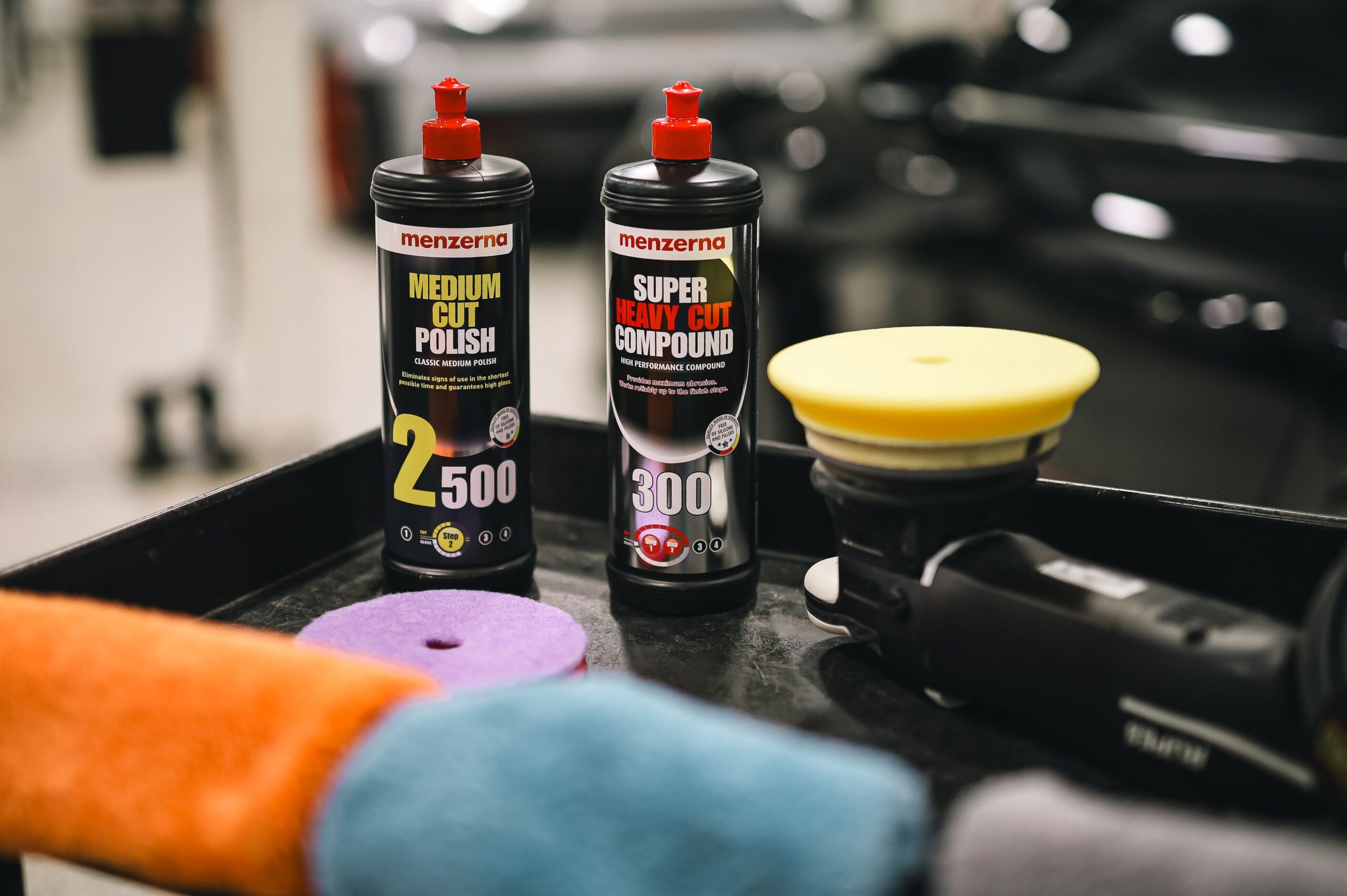
Finishing work can change the entire look of a project. A surface may be built correctly, yet the final result can still look uneven if the last steps are rushed or the wrong materials are used. Whether the work involves painting, drywall, flooring, woodworking, or another trade, the right supplies make it easier to create a clean, consistent finish without adding unnecessary work.
Choosing Supplies for the Job
Professional finishing supplies are designed for the final stages of a project, when small flaws become easier to notice. These materials can help smooth surfaces, cover small imperfections, prepare areas for paint, or create the desired texture. Choosing the right product starts with knowing what material is being finished and what kind of result is expected.
The surface itself matters because different materials respond in different ways. Wood may need a different type of coating than drywall, while metal often requires products made to handle its harder surface. Even within one material, the condition of the area can affect the choice. A new surface, an older surface, and a previously painted surface may each require a different approach.
It is also useful to consider the working conditions. Temperature, moisture, ventilation, drying time, and the size of the work area can all affect finishing work. Taking these factors into account before starting can prevent problems later, especially when a product needs a certain amount of time to dry or cure properly.
Selecting Tools for Consistent Work
The material is only part of the finishing process. The tools used to apply it can affect coverage, texture, and overall control. Brushes, rollers, sanding tools, applicators, scrapers, mixing tools, and other equipment each serve different purposes, so choosing the right one can make the work easier and more predictable.
For larger areas, the application method can also affect how much time the project takes. A tool that works well for a small repair may not be practical for a large commercial surface. Likewise, a tool that provides fast coverage may not offer enough control for detailed work around corners, edges, or other difficult areas.
Keeping tools clean is equally important. Leftover material can affect the next application, while worn tools may leave marks or create uneven coverage. Cleaning equipment after use, storing it correctly, and replacing damaged items when necessary can help maintain better results across several projects.
Matching Materials to the Finish
The desired appearance should guide the choice of finishing material. Some projects call for a smooth, simple surface, while others may need texture, added depth, or a particular level of sheen. The goal should be considered before purchasing supplies because changing the finish later can require additional preparation and labor.
Compatibility is another concern. A product may perform well on one surface but work poorly on another. Some coatings require primers, while others may need a specific base material. Reading product instructions and checking whether materials can be used together can help avoid problems such as poor adhesion, discoloration, or premature wear.
Maintaining a Clean Work Area
A clean workspace can have a direct effect on finishing quality. Dust and loose particles can settle onto wet coatings, while clutter can make it harder to move tools safely around the project. Before beginning the final stage, it is helpful to remove unnecessary debris and make sure the surface is ready for application.
Ventilation should also be considered, particularly when working with coatings or other materials that produce strong odors or fumes. The work area should be suitable for the product being used, with enough space to handle materials without creating unnecessary spills or messes.
Once the work is complete, cleaning the area makes it easier to inspect the finished surface. Small defects are easier to spot when the workspace is clear, allowing them to be addressed before the project is considered finished.
Finishing Projects With Care
The final stage of a project deserves as much attention as the earlier work. Small surface flaws, uneven application, poor preparation, or incompatible materials can become obvious once everything else is complete. Taking time to prepare the surface, choose suitable materials, use the right tools, and follow proper application steps can help create a cleaner result.
Finishing is about bringing the project together. The right supplies can make that process more manageable, but careful work remains essential. With thoughtful preparation, suitable materials, clean tools, and enough time for each step, finishing work can look better and hold up well over time.