



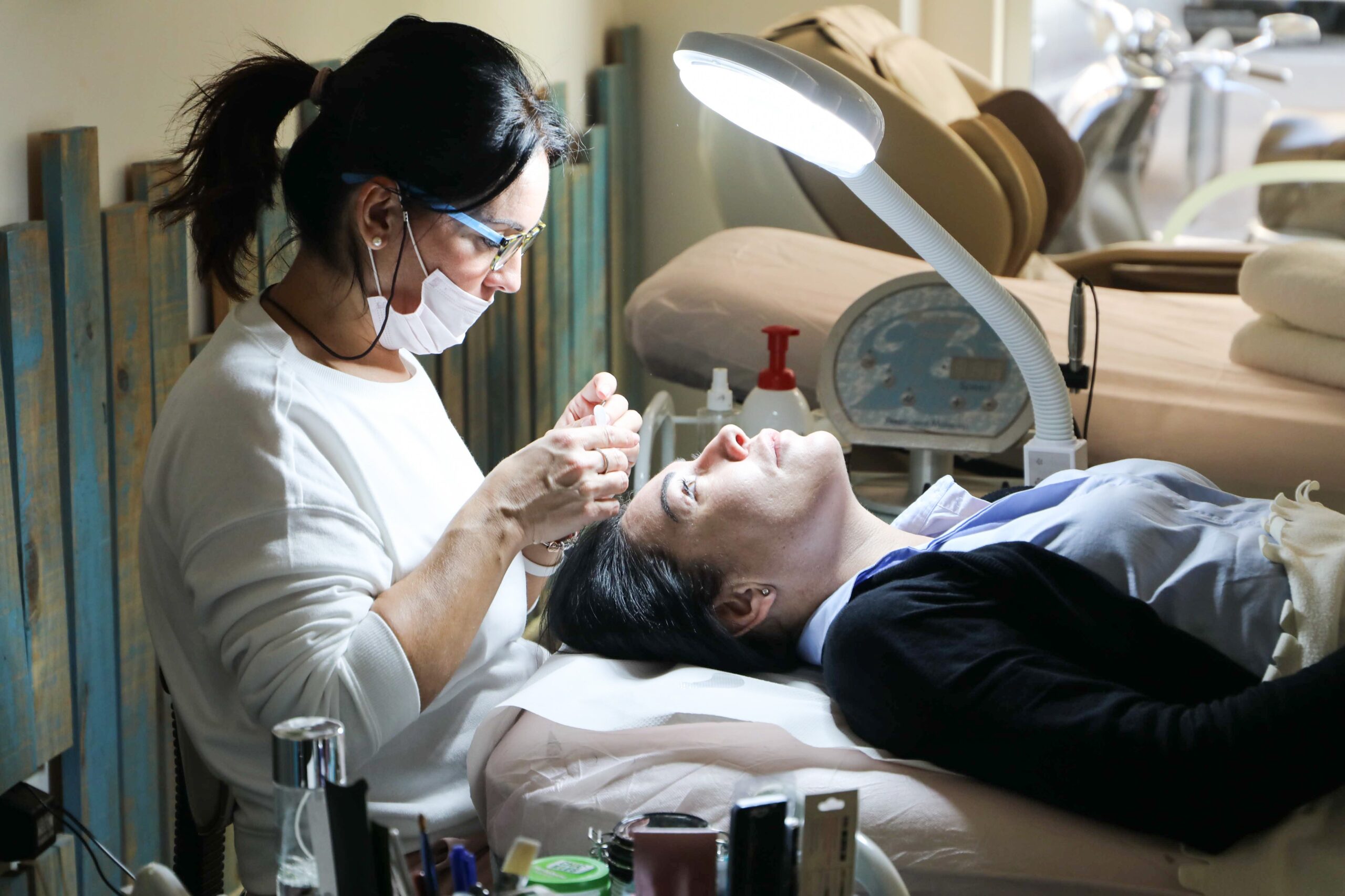
Transitioning from traditional healthcare to facial aesthetics offers an exciting opportunity for licensed medical professionals. Many doctors and nurses find themselves burned out by the relentless pace of insurance-based hospital systems. Moving into the cosmetic sector allows practitioners to reclaim control over their schedules while increasing their financial potential.
The cash based model of elective procedures eliminates the endless paperwork and delayed reimbursements associated with standard medical insurance companies. This shift not only reduces administrative stress but also stabilizes a clinic’s monthly cash flow. Successfully making this professional pivot requires combining clinical precision with a sharp eye for cosmetic balance.
Evaluating the Clinical Realities of Aesthetic Medicine
Shifting a career toward cosmetic treatments requires a thorough understanding of how elective care differs from acute medical interventions. In a traditional medical setting, practitioners diagnose illnesses and prescribe necessary treatments to restore standard physical health. In contrast, cosmetic patients are healthy consumers seeking to enhance their natural appearance through precise, selective enhancements.
The provider-patient relationship changes significantly when individuals pay directly out of pocket for their desired results. Managing expectations becomes just as important as mastering the actual physical injection techniques. Practitioners must learn to conduct thorough consultations to ensure clinical goals align perfectly with what the patient visualizes.
Building a Foundation with Certified Educational Programs
Transitioning into this specialized field safely requires hands-on instruction from established industry experts. While a medical license grants the legal authority to administer injections, it does not automatically provide the specialized artistic skill needed for facial mapping. Enrolling in structured, accredited certification workshops allows healthcare professionals to bridge this knowledge gap effectively.
Providers like Aesthetic Medical Training offer comprehensive seminars that cover facial muscle anatomy, precise product dilution ratios, and proper needle depth placement. Trainees can review foundational injection guidelines and find more info about advanced facial mapping techniques through specialized weekend seminars.
These single-day certification classes give students the opportunity to practice real injections on live models under expert clinical supervision. This direct experience helps beginners build immediate confidence and ensures high patient safety standards from day one.
Designing a Modern and Welcoming Clinical Environment
An aesthetic clinic must reflect luxury, cleanliness, and comfort to attract a premium clientele. Traditional medical offices often feel cold and institutional, which can cause anxiety for cosmetic patients. Designing a spa-like atmosphere with soft lighting and modern decor sets a relaxing tone for arriving guests.
The clinical treatment rooms must remain fully compliant with local health department regulations while maintaining a high-end visual appeal. Investing in quality procedural chairs and organized, stainless steel supply carts keeps the workflow smooth and efficient. Creating a beautiful space encourages patients to share their experiences on social media, which acts as free marketing for the growing business.
Developing Effective Marketing Strategies for Patient Acquisition
Attracting a steady stream of elective clients requires a completely different approach than waiting for standard doctor referrals. Developing a strong digital presence through a professional website and active social media profiles is absolutely vital for modern business growth. Sharing high-quality photographs of successful treatments demonstrates real clinical skill and builds trust with prospective clients.
Educating the community through skin health blogs establishes the practitioner as a regional authority. Offering promotions or hosting educational events encourages hesitant individuals to book a consultation. Delivering exceptional results ensures early clients transform into loyal brand advocates who recommend the clinic.
Managing the Regulatory Rules of Compliance and Insurance
Navigating the legal landscape of a cash-based cosmetic business requires careful planning. Every state maintains specific medical board guidelines regarding who can legally inject neuromodulators and dermal fillers. Practitioners must thoroughly research local regulations regarding physician oversight, collaborative agreements, and medspa licensing requirements before opening their doors.
Securing specialized cosmetic malpractice insurance is necessary to protect business assets from potential complications. Implementing thorough digital consent forms ensures that every client fully understands the risks and realistic outcomes of their chosen procedure.
Maintaining impeccable medical records guarantees long-term compliance with state guidelines. This consistent documentation protects the reputation of the clinical practice against potential legal disputes.
Conclusion
Transitioning a medical background into a prosperous aesthetic career is a highly rewarding path for motivated healthcare providers. By combining existing clinical expertise with specialized cosmetic training, professionals can build a thriving business on their own terms. The journey requires dedication to learning new artistic skills and understanding the fundamentals of modern boutique business management.
Investing in quality education and an exceptional patient experience forms the bedrock of long-term success. As global demand for non-surgical cosmetic enhancements rises, the timing is perfect to explore this lucrative sector. Ultimately, specialized certification opens the door to greater professional freedom and financial independence.