



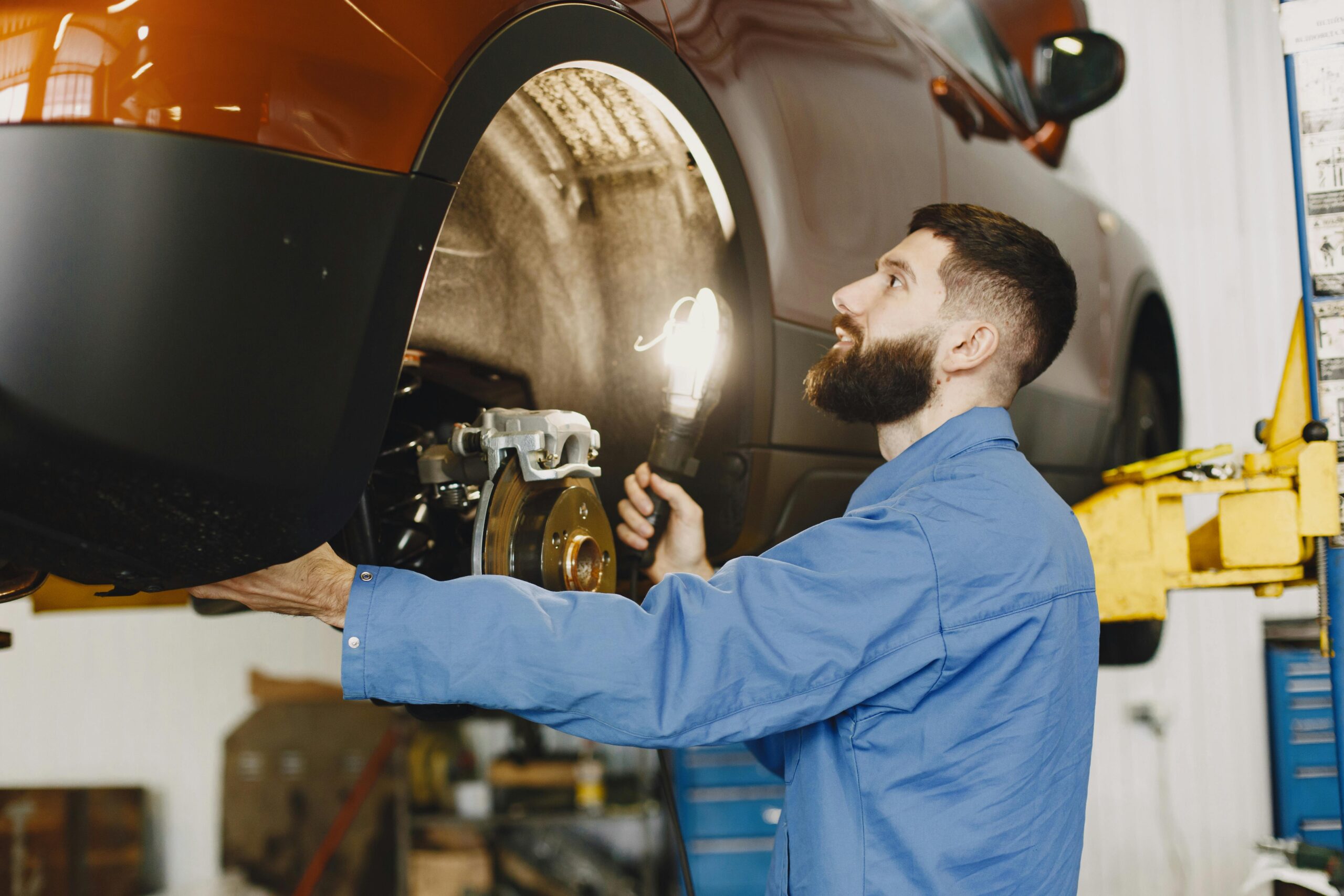
Your vehicle’s braking system is one of its most critical safety features. While engines and tires often get the most attention, brakes are what ultimately keep you and others on the road safe. Despite their importance, many drivers overlook early warning signs or delay maintenance until a serious issue arises. Knowing when to check your car’s brake repair services can prevent accidents, reduce repair costs, and ensure a smoother driving experience.
Understanding the right timing for brake inspections and repairs is not just about reacting to problems—it’s about staying ahead of them.
When You Hear Unusual Noises
One of the earliest and most noticeable signs that your brakes need attention is unusual noise. Squealing, grinding, or scraping sounds when you press the brake pedal often indicate worn brake pads or debris caught in the system.
Squealing is typically caused by wear indicators built into brake pads, designed to alert you when they are nearing the end of their lifespan. Grinding, on the other hand, may suggest that the pads have worn down completely, allowing metal components to rub against each other. This can lead to more severe damage if not addressed quickly.
Checking your brake repair services at the first sign of these noises can help prevent more costly repairs and maintain your vehicle’s safety.
When You Feel Vibrations or Pulsations
Another important signal is a vibration or pulsation when applying the brakes. This sensation is often felt through the steering wheel or brake pedal and may indicate warped brake rotors.
Warped rotors can develop due to excessive heat, which may result from frequent hard braking or prolonged use without maintenance. When rotors are uneven, they create an inconsistent braking surface, leading to reduced efficiency and a less comfortable driving experience.
If you notice these vibrations, it’s a clear sign that your braking system needs professional evaluation.
When the Brake Pedal Feels Different
Your brake pedal should feel firm and responsive. If you notice that it feels soft, spongy, or requires more pressure than usual to slow the car, this could indicate a problem within the braking system.
A soft pedal may be caused by air in the brake lines, worn components, or even a brake fluid leak. Conversely, a pedal that feels too stiff could also signal underlying issues.
Changes in pedal feel should never be ignored. Promptly checking your brake repair services ensures that these issues are identified and resolved before they compromise your safety.
When Your Car Pulls to One Side
If your vehicle pulls to one side when braking, it’s a sign that your brakes may be wearing unevenly or that there is an issue with the calipers or brake lines.
This uneven braking can make it harder to control your vehicle, especially in emergency situations. It may also lead to faster wear on certain components, increasing the likelihood of future repairs.
Addressing this issue early by consulting brake repair services can restore balance and improve your overall driving control.
When Warning Lights Appear
Modern vehicles are equipped with dashboard warning lights designed to alert you to potential problems. If your brake warning light or anti-lock braking system (ABS) light comes on, it’s essential to take it seriously.
These lights can indicate a range of issues, from low brake fluid levels to more complex system malfunctions. While some problems may be minor, others could affect your vehicle’s ability to stop safely.
Seeking professional brake repair services when a warning light appears helps ensure that the problem is properly diagnosed and resolved.
When It’s Been a While Since Your Last Inspection
Even if you haven’t noticed any obvious issues, regular brake inspections are essential. Over time, brake components naturally wear down due to friction and heat. Waiting until a problem becomes noticeable may mean that damage has already progressed.
Most experts recommend having your brakes checked at least once a year or during routine maintenance visits. Consistent inspections can catch minor wear before it develops into a major concern.
Some service providers, such as Elite Automotive, often emphasize the importance of preventive maintenance in extending the life of your braking system and ensuring consistent performance.
When Driving Conditions Are Demanding
Your driving habits and environment also play a role in how often you should check your brakes. Frequent stop-and-go traffic, driving in hilly areas, or carrying heavy loads can accelerate brake wear.
If you regularly drive under these conditions, your brakes may require more frequent inspections and maintenance. Being mindful of how you use your vehicle can help you anticipate when brake repair services might be needed.
When Stopping Takes Longer Than Usual
A longer stopping distance is a serious warning sign that your brakes are not functioning as they should. If your vehicle takes more time or distance to come to a complete stop, it could indicate worn pads, low brake fluid, or other mechanical issues.
Reduced braking efficiency can significantly increase the risk of accidents, especially in unexpected situations. Addressing this issue immediately by checking your brake repair services is essential for maintaining safety on the road.
Conclusion
Knowing when to check your car’s brake repair services is key to ensuring both safety and performance. From unusual noises and vibrations to changes in pedal feel and warning lights, your vehicle provides clear signals when something is wrong.
Regular inspections, combined with prompt attention to warning signs, can prevent minor issues from becoming major problems. By staying proactive and attentive, you not only protect your vehicle but also ensure a safer driving experience for yourself and others.
Brake maintenance is not something to delay or overlook. Taking action at the right time can make all the difference in keeping your car reliable, responsive, and ready for the road ahead.