



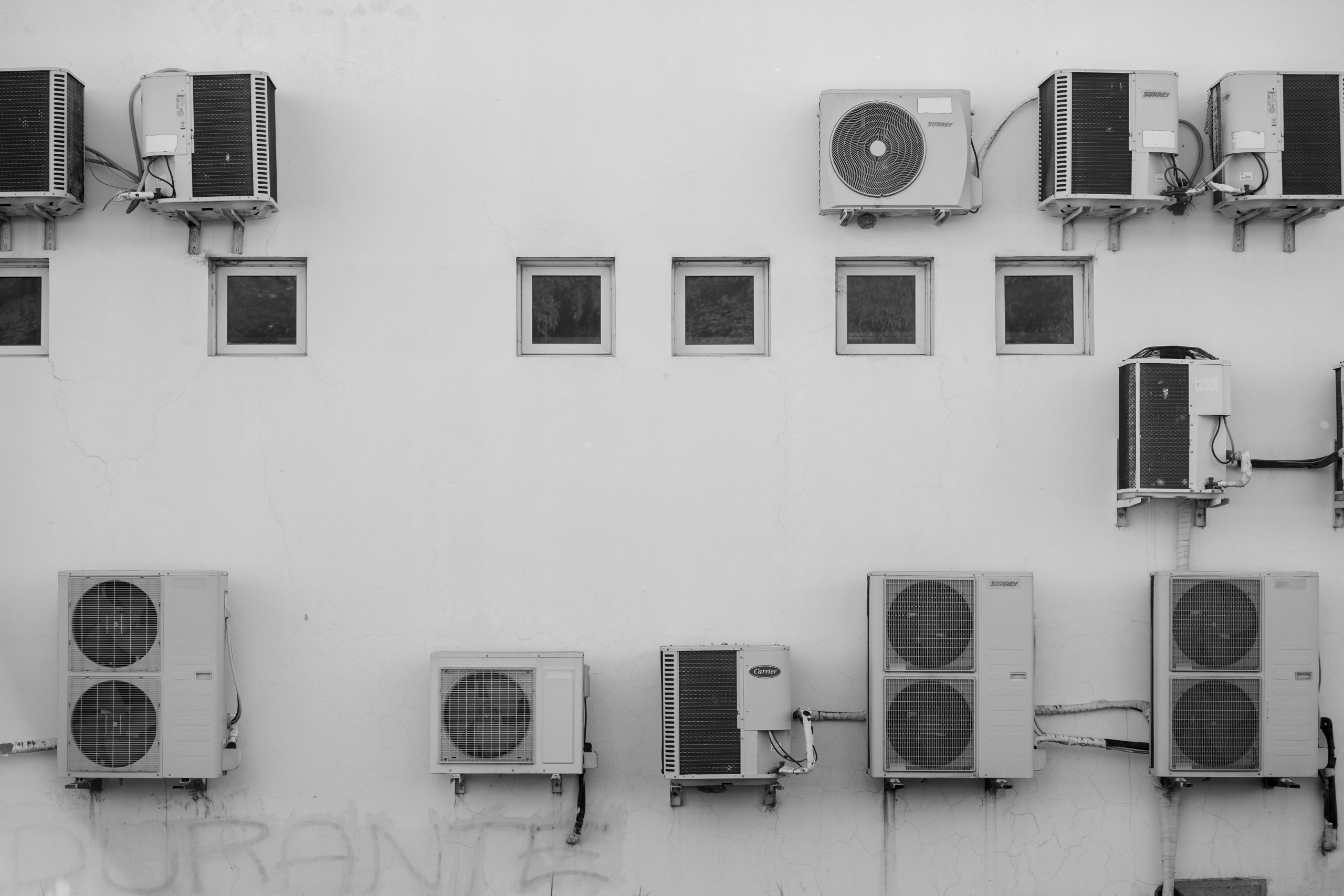
An air conditioning system plays a central role in maintaining indoor comfort, especially during periods of extreme heat and humidity. Beyond cooling, it supports indoor air quality, regulates moisture levels, and contributes to overall household efficiency. As homes and workplaces become increasingly insulated and energy-conscious, understanding how an air conditioning system functions helps individuals make informed decisions about comfort and long-term performance.
Regulating Indoor Temperature Efficiently
At its core, an air conditioning system is designed to remove heat from indoor spaces and release it outdoors. Through a coordinated cycle involving refrigerant, compressors, and evaporator coils, heat transfer occurs in a controlled and efficient manner. This process allows indoor environments to remain stable even when outdoor temperatures fluctuate significantly.
Moreover, modern systems are engineered to optimize energy use. Variable-speed components and programmable thermostats allow homeowners to fine-tune temperature settings without excessive energy consumption. As efficiency improves, comfort becomes more consistent, reducing sudden temperature swings that can strain both equipment and occupants.
Improving Indoor Air Quality Consistently
Beyond cooling, an air conditioning system plays an important role in maintaining cleaner indoor air. Filters capture dust, pollen, and airborne particles that circulate through ductwork. When filters are replaced regularly, airflow remains unobstructed, and contaminants are reduced.
In addition, proper ventilation supports air exchange, which helps minimize stale air buildup. Cleaner indoor air contributes to respiratory comfort, especially for individuals sensitive to allergens. Over time, consistent filtration and airflow management enhance the overall indoor environment, making spaces feel fresher and healthier.
Supporting Humidity Control Effectively
Humidity control is another essential function of an air conditioning system. Excess moisture can create discomfort, encourage mold growth, and damage interior materials. During the cooling process, moisture is removed from the air as it passes over the evaporator coil, helping maintain balanced humidity levels.
Consequently, indoor spaces feel cooler even at moderate temperatures because balanced humidity reduces stickiness and heaviness in the air. Managing humidity also protects furniture, flooring, and structural components. In humid climates, this function becomes especially valuable in preserving both comfort and property integrity.
Enhancing Energy Efficiency Over Time
Energy efficiency remains a key consideration when evaluating an air conditioning system. Seasonal energy efficiency ratios and advanced system designs contribute to lower operational costs. When equipment is properly sized for the space, it cycles appropriately without overworking.
Furthermore, routine maintenance enhances efficiency. Cleaning coils, checking refrigerant levels, and inspecting electrical components ensure optimal performance. Some industry providers, including Trane South, emphasize system calibration and preventive care as part of long-term efficiency strategies. Although brand selection varies, maintenance consistency remains universally important.
Integrating Smart Technology Thoughtfully
Advancements in smart technology have reshaped how homeowners interact with their air conditioning systems. Programmable thermostats and mobile applications allow users to monitor and adjust settings remotely. These features contribute to greater convenience while supporting energy conservation.
Moreover, smart diagnostics can alert users to irregular performance patterns. Early detection of inefficiencies allows timely adjustments, preventing prolonged strain on system components. As technology continues to evolve, integration enhances both comfort and operational awareness.
Promoting Environmental Responsibility Gradually
Environmental considerations increasingly influence HVAC system development. Modern refrigerants are designed to reduce environmental impact compared to older compounds. Additionally, energy-efficient models help reduce overall electricity consumption, contributing to lower carbon emissions.
Homeowners who prioritize efficiency and responsible usage indirectly support sustainability goals. Even small adjustments, such as moderate thermostat settings and proper insulation, can reduce strain on an air conditioning system. Gradually, collective efforts toward efficiency make measurable differences in environmental impact.
Ensuring Reliable Performance Year-Round
Reliability defines the value of any air conditioning system. Consistent cooling during peak summer months prevents discomfort and supports productivity. When systems operate smoothly, households experience fewer interruptions and reduced repair costs.
Ultimately, reliability stems from a combination of proper installation, regular maintenance, and informed usage. By recognizing the interconnected roles of temperature control, air quality, humidity management, efficiency, and technology integration, homeowners can maximize the benefits of their air conditioning system.
Maintaining Long-Term Indoor Comfort
An air conditioning system represents more than a cooling appliance; it is an integrated solution for indoor comfort and environmental balance. Through efficient temperature regulation, improved air quality, controlled humidity, sustained maintenance, and thoughtful technology integration, it enhances daily living conditions.
As awareness grows around energy efficiency and sustainability, responsible system management becomes increasingly important. By maintaining equipment consistently and adapting to technological advancements, homeowners can ensure reliable performance for years to come. In doing so, they create indoor environments that remain comfortable, efficient, and supportive of overall well-being.